

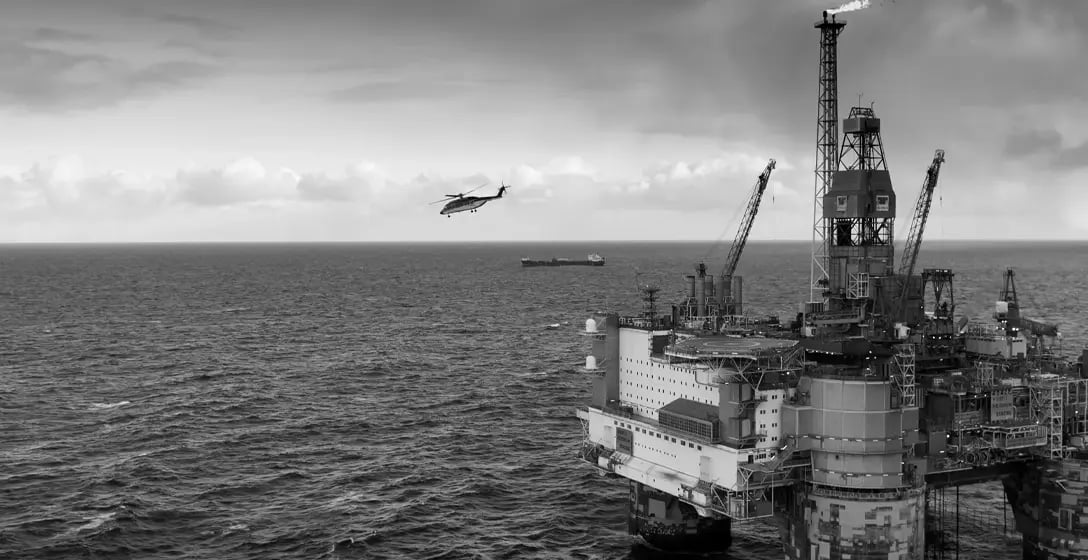
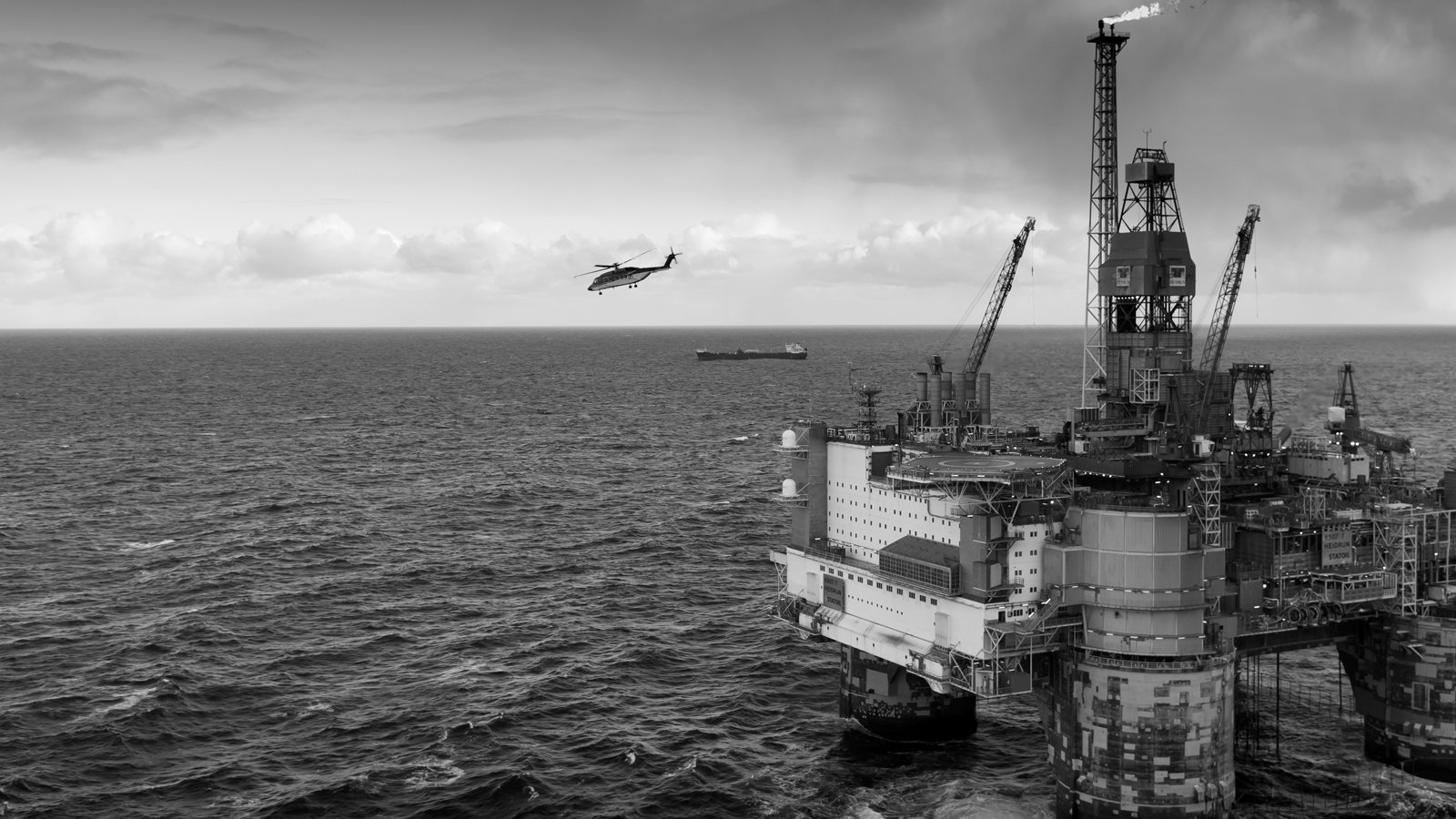
Aker Solutions approached DeRegt with a rare challenge: supporting a floating tension leg platform (TLP) in the North Sea, connected by cables designed and installed more than 25 years ago, with no digital documentation remaining. Only a handful of physical samples still existed. Yet the system needed to stay safe, operational, and compliant with today’s standards.
Extreme depth, limited legacy data, and aging components created a situation where standard replacement or replication wasn’t possible. Instead, it required engineering reconstruction, deep material analysis, and close collaboration. To understand how this project unfolded, we spoke with Peter Brussee from DeRegt and Lenny Burnet from Aker Solutions.
Key question
The question that came to us was to look into the monitoring legs on the Heidrun platform. It was initially installed in the 90s and is anchored up with 16 load cells and signal cables for the tension legs. Each is fitted with 3 load cells and one single cable. They go from 60m down to 300m. The tension legs have been operational since the date of installation. Concerns arose about water ingress, so we investigated the possibility of replacing the load cells and signal cables.
Where did the information for the existing cabling come from? What did it look like?
We began with a few weeks of wildcard searching through the documentation database. However, since the project was carried out a long time ago, the digital files were not complete. So we even ended up having to go through a hardcopy archive in their basement. We found a lot of documents with DeRegt’s name on it. So that’s how we got in touch. They had to redesign the cable more or less from scratch.
What were the particular challenges?
There was a considerable amount of detective work involved, due to the lack of digitization and the fact that we were working with an existing platform. The documentation package ended up being approximately 2,000 pages (!). This had never been done anywhere in the world: changing 60-metre tension legs on an existing platform. The load cells and the cables are submerged, which brings its own challenges. But we overcame them.
Can you remember a moment where you thought ‘this might not work’? Do you remember how you overcame that?
No not really. The engineering that had been done when Heidrun was built is quite impressive. We are discussing a subsea tool weighing 19 tonnes that operates with only a 2-3mm clearance. Also, the quality that the suppliers have delivered has been remarkable.
Why did you choose to work with DeRegt? And would you choose them again in future?
Like most companies, we have a policy where we have to ask multiple suppliers. So we did put out a tender. But DeRegt was the one that gave us the correct design.
The main reason is that working with DeRegt has been problem-free. They have delivered on every angle, engineering, delivery, they have been on time. The information has been great. If there’s any problems at all we have been informed right away.
They have proven that they can make this cable. We have full confidence that this cable system will work faultlessly for the next 50 year life cycle of this platform. In fact, we are already working with DeRegt on a new order right now.